WSA-UN WATERHer Initiative
Science-Based Solutions for the WATERHer Initiative
Water is the foundation of life, yet the systems that govern, distribute, and protect this essential resource remain profoundly unequal. Across the world, women and girls shoulder the heaviest burdens of water scarcity, inadequate sanitation, and climate-driven disruptions. They walk farther, wait longer, and risk more secure water for their families and communities. At the same time, they remain underrepresented in the scientific, technical, and leadership roles that shape water and sanitation systems. This paradox has high responsibility, but low authority continues to undermine global progress toward sustainable development.
The WATERHer Initiative was born from the recognition that gender equality is not a peripheral concern in water governance; it is a sine qua non for achieving resilient, equitable, and scientifically grounded water and sanitation solutions. WATERHer positions women not as beneficiaries but as leaders, innovators, and decision-makers whose knowledge and agency are indispensable to the future of water security.
This book explores the scientific backbone of that vision. It brings together researchers, practitioners, policymakers, and community leaders to examine how evidence-based approaches can transform water and sanitation systems when gender equality is placed at the center. The chapters that follow illuminate the ways in which science hydrology, engineering, climate modeling, public health, data science, and social science can be harnessed to create solutions that are not only technically sound but socially just.
Science-based solutions are essential for three reasons. First, they provide the data and analytical tools needed to understand the differentiated impacts of water scarcity, contamination, and inadequate sanitation on women and girls. Without sex-disaggregated data and gender-sensitive research methodologies, the true scale of inequality remains hidden. Second, scientific innovation from low-cost filtration systems to decentralized wastewater treatment, from remote sensing to AI-driven early warning systems offers new pathways to reduce women's labor burdens, enhance safety, and expand access to dignified sanitation. Third, evidence-based policymaking ensures that national strategies, financing mechanisms, and climate adaptation plans are grounded in rigorous analysis rather than assumptions.
Yet science alone is not enough. The WATERHer Initiative insists that scientific solutions must be co-created with the women who experience water and sanitation challenges most directly. Their lived expertise enriches research design, strengthens technology adoption, and ensures that innovations are culturally appropriate, sustainable, and scalable. When women scientists, engineers, and community leaders shape the research agenda, the resulting solutions are more inclusive and more effective.
This book invites readers to rethink the relationship between gender, science, and water governance. It challenges the notion that technical systems are neutral and demonstrates how gender-responsive science can unlock new possibilities for resilience and equity. It showcases case studies where women's leadership has transformed water utilities, improved sanitation access, and strengthened climate resilience. It highlights emerging technologies that hold promises for closing gender gaps. And it offers a roadmap for integrating gender equality into scientific research, policy frameworks, and investment strategies.
The WATERHer Initiative is more than a program it is a movement to reimagine water and sanitation systems through the lens of justice, evidence, and shared leadership on women and girls. As the world confronts escalating climate pressures, growing water insecurity, and persistent inequalities, the need for science-based, gender-responsive solutions has never been more urgent.
This book is an invitation to scholars, practitioners, and policymakers to join that movement. It is a call to action to ensure that the future of water is shaped by the full participation, creativity, and leadership of women and girls. And it is a reminder that sustainable water and sanitation systems cannot be achieved without them.
Strategic Framing
The WATERHer side event at the United Nations was designed to:
- Amplify women-led community innovation as the missing link in global water policy.
- Translate community evidence into actionable, policy-relevant recommendations for Member States, UN agencies, and development partners.
- Position women as central actors in climate-resilient water systems, not peripheral beneficiaries.
- Bridge the gap between grassroots experience and global decision-making.
WSA-UN WATERHer Initiative
Background
WATERHer is a purpose-driven advocacy and engagement initiative led by the Observer Mission of Water and Sanitation to the United Nations (WSA-UN). It places women at the center of water governance, access, and climate resilience, responding to a persistent global gender water gap that undermines progress toward SDG 6 and related goals.
It responds directly to a persistent and well-documented global gender water gap: although women and girls are the primary water collectors, household water managers, and frontline responders across the Global South, they remain structurally underrepresented in water policy formulation, governance bodies, technical leadership roles, and climate-water decision-making spaces.
This gender gap is not incidental, it is systemic. Women lived experiences, practical knowledge, and community-level innovations rarely translate into influence within:
- community water committees
- municipal and regional water boards
- national water ministries
- transboundary river basin authorities
- global water governance platforms
This exclusion undermines the effectiveness, equity, and sustainability of water systems worldwide.
The initiative is grounded in the UN World Water Development Report 2026, "Water for All People: Equal Rights and Opportunities," produced by UN-Water and UNESCO. The report provides authoritative evidence that gender inequalities in water access, safety, and governance remain one of the most significant barriers to global water security.
Despite being the primary water collectors and household water managers across the Global South, women remain structurally underrepresented in:
- community water committees
- municipal and regional water boards
- national water ministries
- transboundary river basin authorities
- global water governance platforms
This exclusion limits the effectiveness, sustainability, and equity of water systems. Climate change further intensifies gender inequalities, increasing women's exposure to water scarcity, unsafe water, and climate- related disasters.
Rationale and Framing
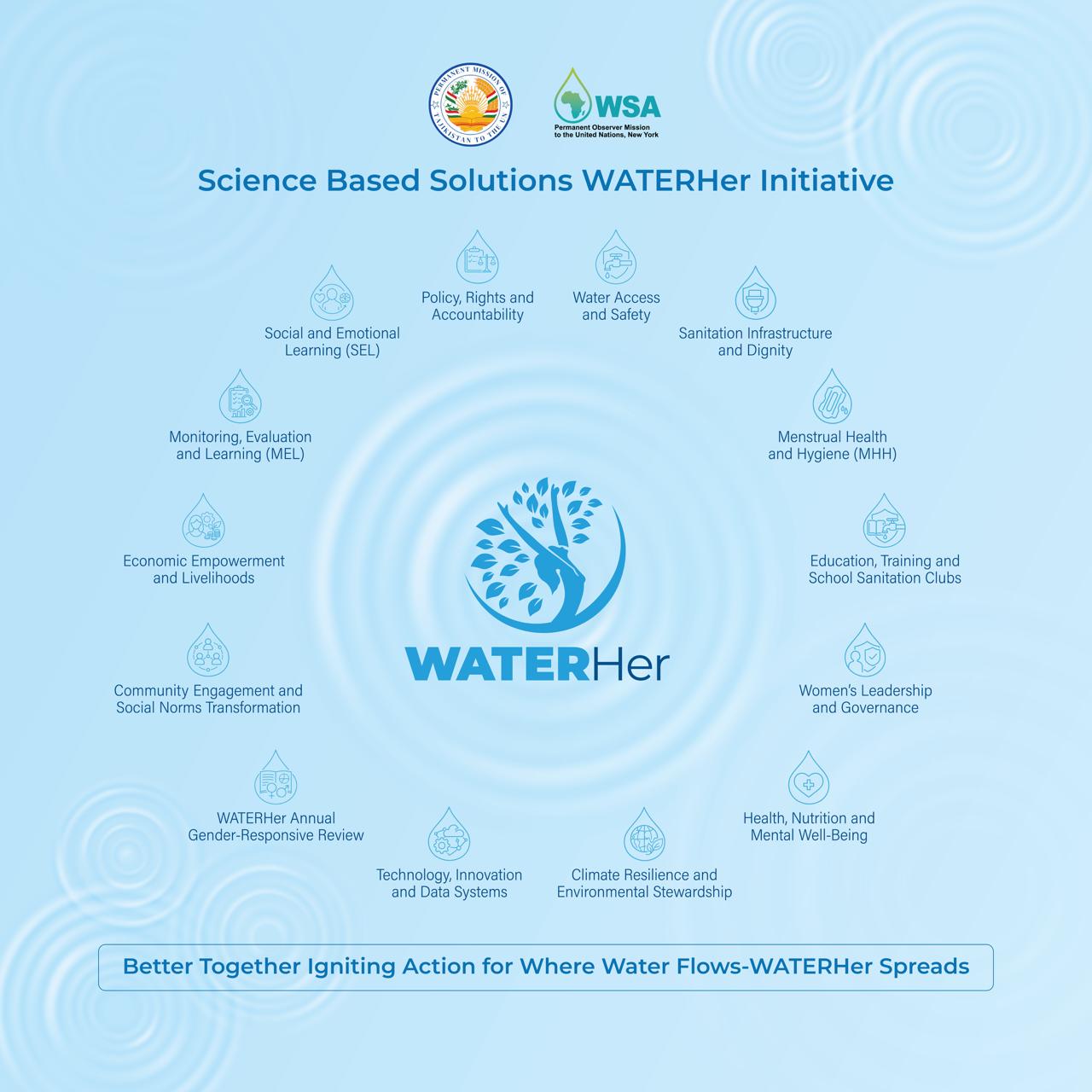
The WATERHer Initiative is framed around three core insights:
A. Gender Equality is a High-Leverage Accelerator for SDG 6
The 2026 WWDR confirms that advancing gender equality in water governance is one of the most impactful interventions available to the international community.
B. Women-Led Innovation is Under-Recognized
Across communities, women are designing practical, climate-resilient water solutions—yet these innovations rarely reach policy tables.
C. Climate Change Magnifies Gender Inequalities
Droughts, floods, and disasters disproportionately affect women, making gender-responsive water governance essential for resilience.
WATERHer therefore seeks to bridge the gap between community evidence and global policy, ensuring women's leadership is recognized, resourced, and integrated into water governance systems.
Mission
To advance gender equality in water governance by equipping, elevating, and connecting women as leaders, innovators, and decision-makers in water access, safety, and climate resilience.
Mission pillars:
- Empower women with leadership pathways in water governance
- Strengthen community water systems through women-led innovation
- Influence policy through evidence-based advocacy
- Mobilize multi-stakeholder partnerships
- Accelerate SDG 6 through gender-responsive approaches
Mission: What WATERHer Intends to Achieve
The mission of WATERHer is to advance gender equality in water governance by equipping, elevating, and connecting women as leaders, innovators, and decision-makers in water access, safety, and climate resilience.
Core Mission Pillars
- Empower women with skills, tools, and leadership pathways in water governance.
- Strengthen community water systems through women-led innovation and climate-smart solutions.
- Influence policy by bringing community evidence into national and global water dialogues.
- Mobilize partnerships across governments, UN agencies, academia, civil society, and youth networks.
- Accelerate SDG 6 through gender-responsive approaches that improve equity, sustainability, and resilience.
Vision: The Future WATERHer Seeks to Build
WATERHer envisions a world where:
- Women are recognized as central actors in water governance and climate resilience.
- Every community has women-led water hubs providing safe, sustainable, climate-resilient water systems.
- Women's knowledge informs national and global water policy, shaping decisions that affect millions.
- Gender equality is embedded in all water institutions—from local committees to global platforms.
- Water systems are resilient, inclusive, and sustainable, advancing SDG 6 and strengthening SDG 5, SDG 13, and SDG 17.
This vision aligns with the UN's commitment to leave no one behind and to accelerate progress through inclusive, community-anchored solutions.
Expected Outcomes
Policy Outcomes
- Increased integration of gender-responsive water governance in national policies
- Strengthened alignment with SDG 6, SDG 5, SDG 13, and SDG 17
- Adoption of women-led community innovations in national and regional water strategies
Community Outcomes
- Establishment of women-led water hubs
- Improved access to safe, climate-resilient water systems
Leadership Outcomes
- Expanded women's participation in water governance bodies
- Increased representation of women in technical water roles
- Strengthened leadership pipelines for young women and girls
Global Opportunity
The WATERHer Initiative identifies a unique global opportunity:
Women as Untapped Water Leaders
Women possess deep practical knowledge of water access and safety—unlocking this expertise
Climate Change Intensifies Gender Inequalities
Empowering women strengthens community resilience and climate adaptation.
Gender-Responsive Governance Accelerates SDG 6
Evidence shows that water systems improve when women participate meaningfully.
A Global Movement is Emerging
Governments and UN agencies increasingly recognize the need for gender-responsive water action.
Women-Led Innovation is the Missing Link
Community women are already designing solar boreholes, purification systems, and rainwater harvesting models WATERHer brings these innovations to global platforms.
Proposed Activities
- Women-Led Water Governance Labs: Training and leadership development for women in water governance roles.
- Community Water Innovation Showcases: Documenting and elevating women-led water solutions.
- Policy Dialogues and High-Level Advocacy: Engagement with Member States, UN agencies, and regional bodies.
- Research and Evidence Mobilization: Gender-water data collection aligned with WWDR 2026 findings.
- Multi-Stakeholder Partnerships: Collaboration with governments, academia, civil society, and youth networks.
Alignment with SDGs: WATERHer directly advances:
- SDG 6 — Clean Water and Sanitation
- SDG 5 — Gender Equality
- SDG 13 — Climate Action
- SDG 17 — Partnerships for the Goals
It also strengthens cross-cutting commitments to equity, resilience, and inclusive governance.
The WSA-UN WATERHer Initiative is a timely, evidence-based, and strategically framed response to one of the most urgent gaps in global water governance. By placing women at the center of water leadership, WATERHer strengthens community resilience, accelerates SDG 6, and unlocks one of the most powerful levers for sustainable development.
Spotlight on "WaterHer"
The WaterHer Initiative places women and girls at the center of global water security solutions. Around the world, women bear the greatest burden of water scarcity walking long distances to collect water, managing household needs with limited resources, and facing heightened risks to health, safety, and economic opportunity. WaterHer responds to this reality by empowering women not only as beneficiaries of clean water access, but as leaders, innovators, and decision-makers in water governance.
The initiative highlights the transformative power of investing in women-led water solutions, strengthening community resilience, and advancing gender-responsive approaches to climate and water challenges. Through partnerships with governments, UN agencies, civil society, and the private sector, WaterHer aims to expand sustainable water access, support women entrepreneurs in water-related fields, and elevate the voices of women shaping the future of water security.
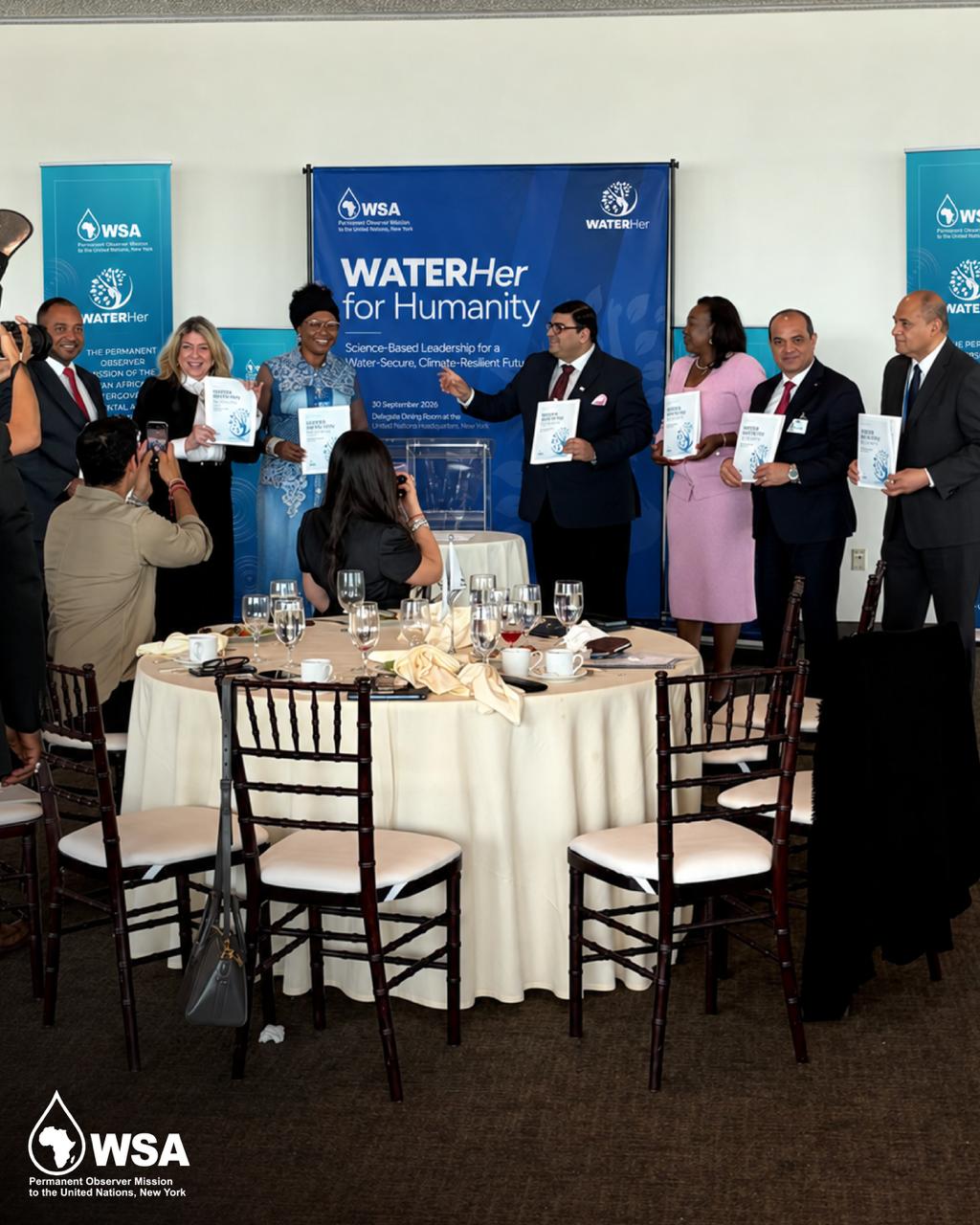
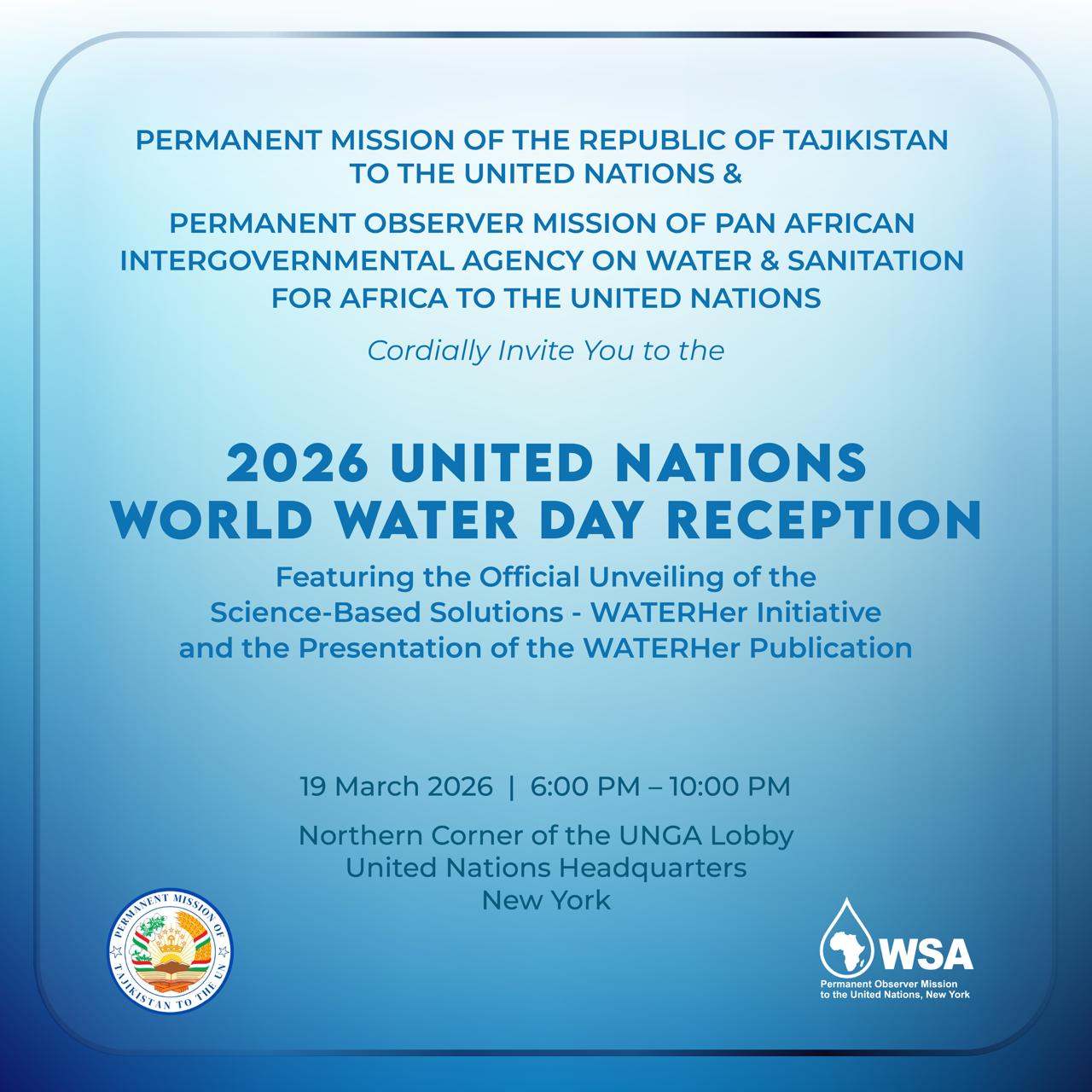
Unveiling of "WaterHer"
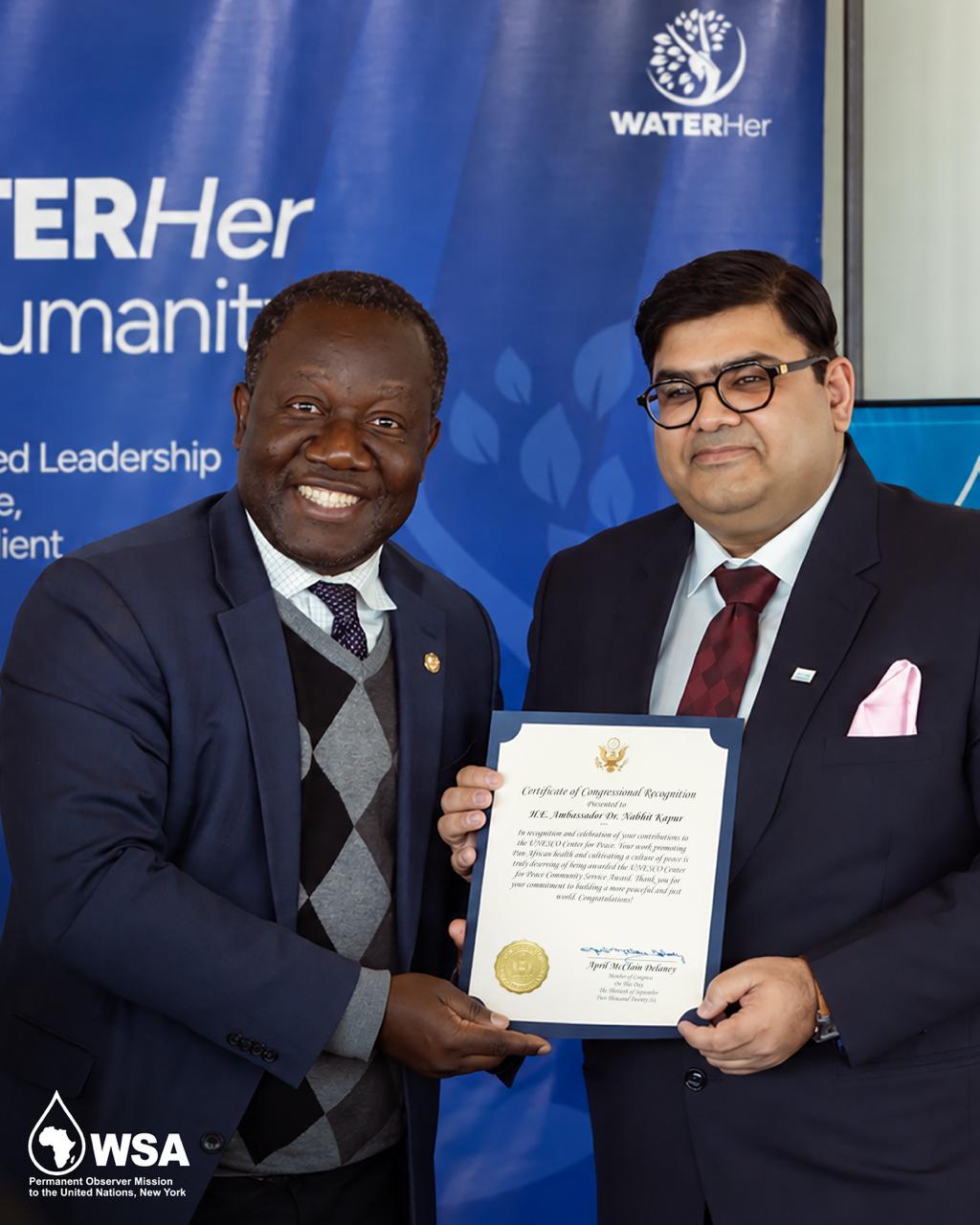
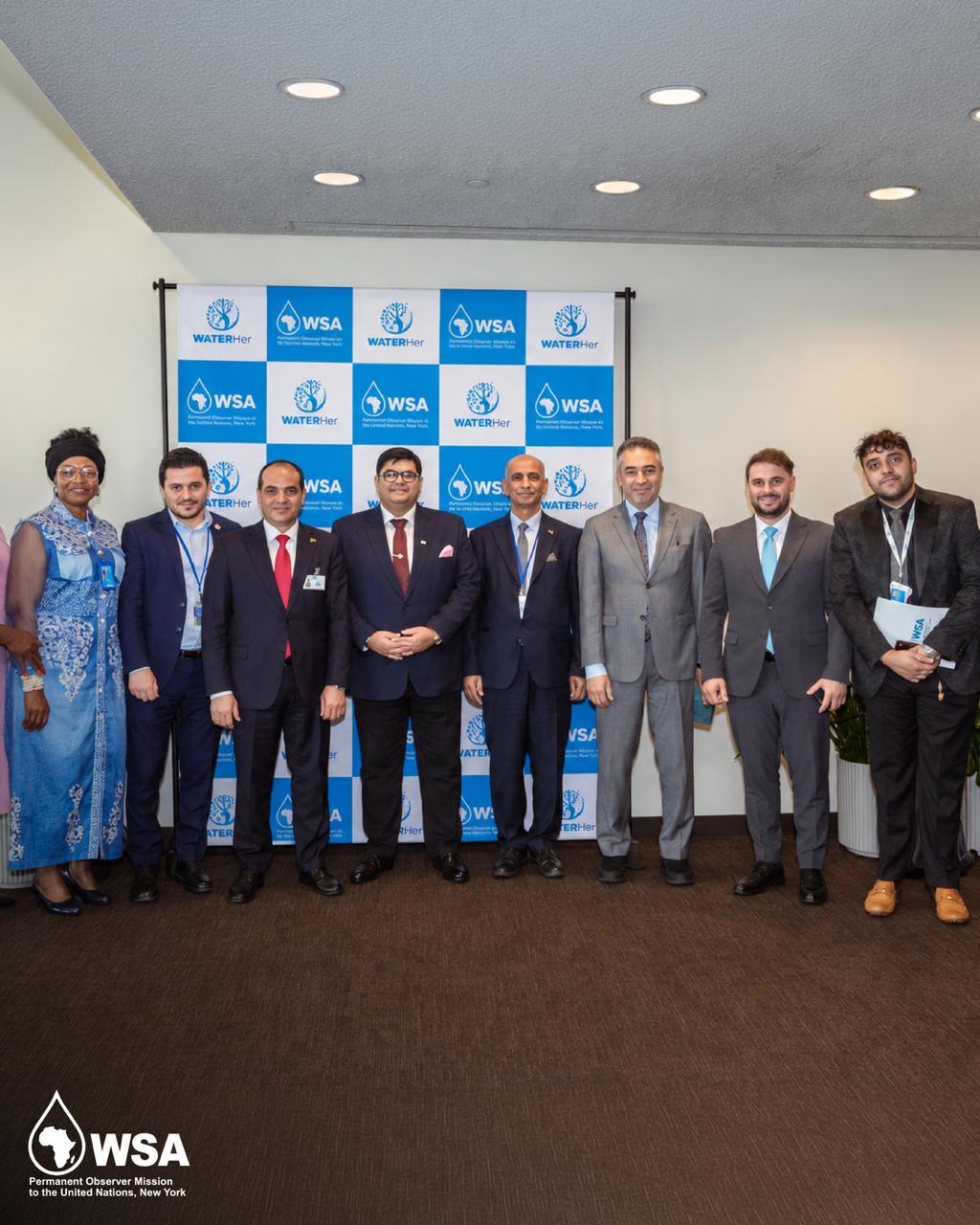
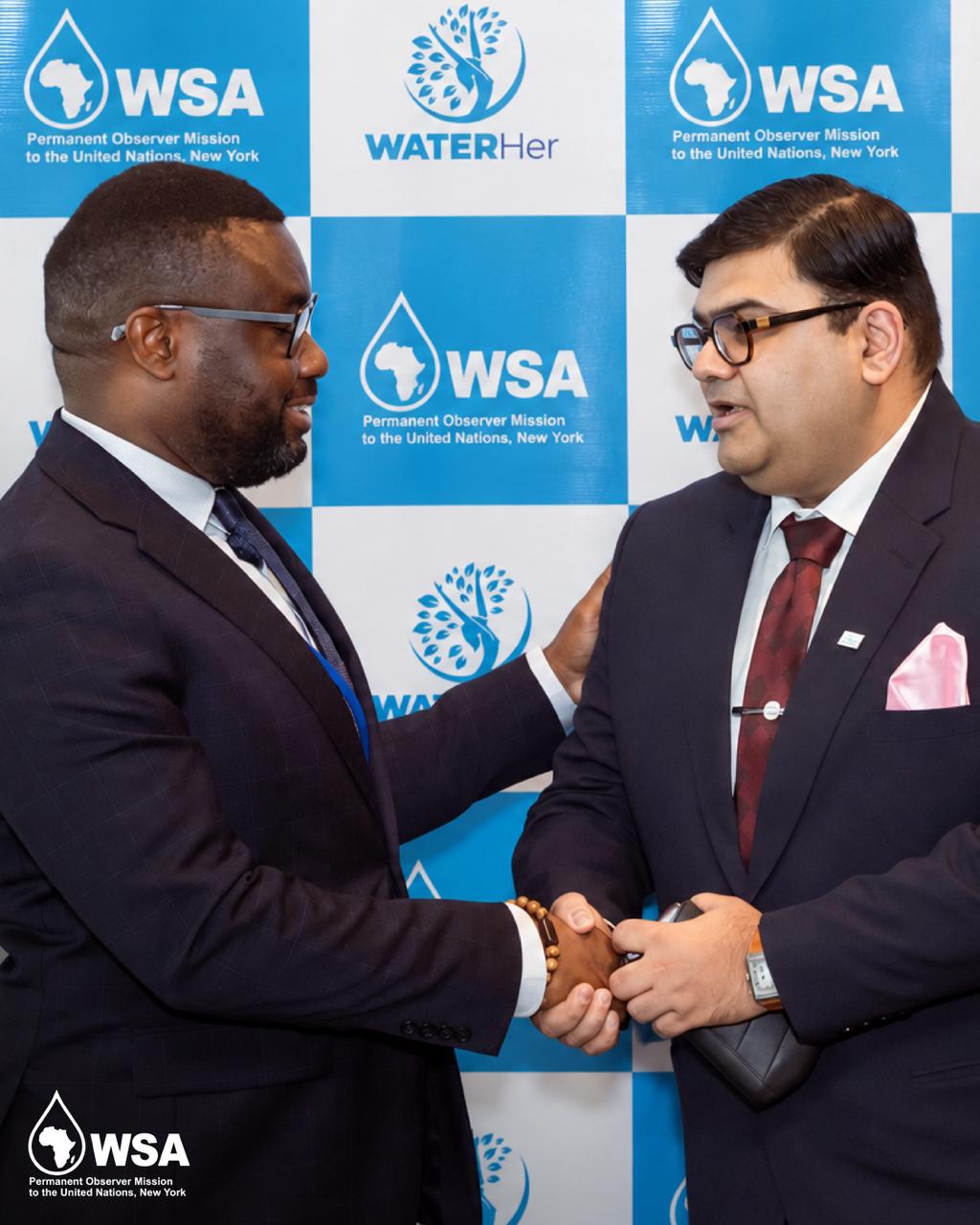
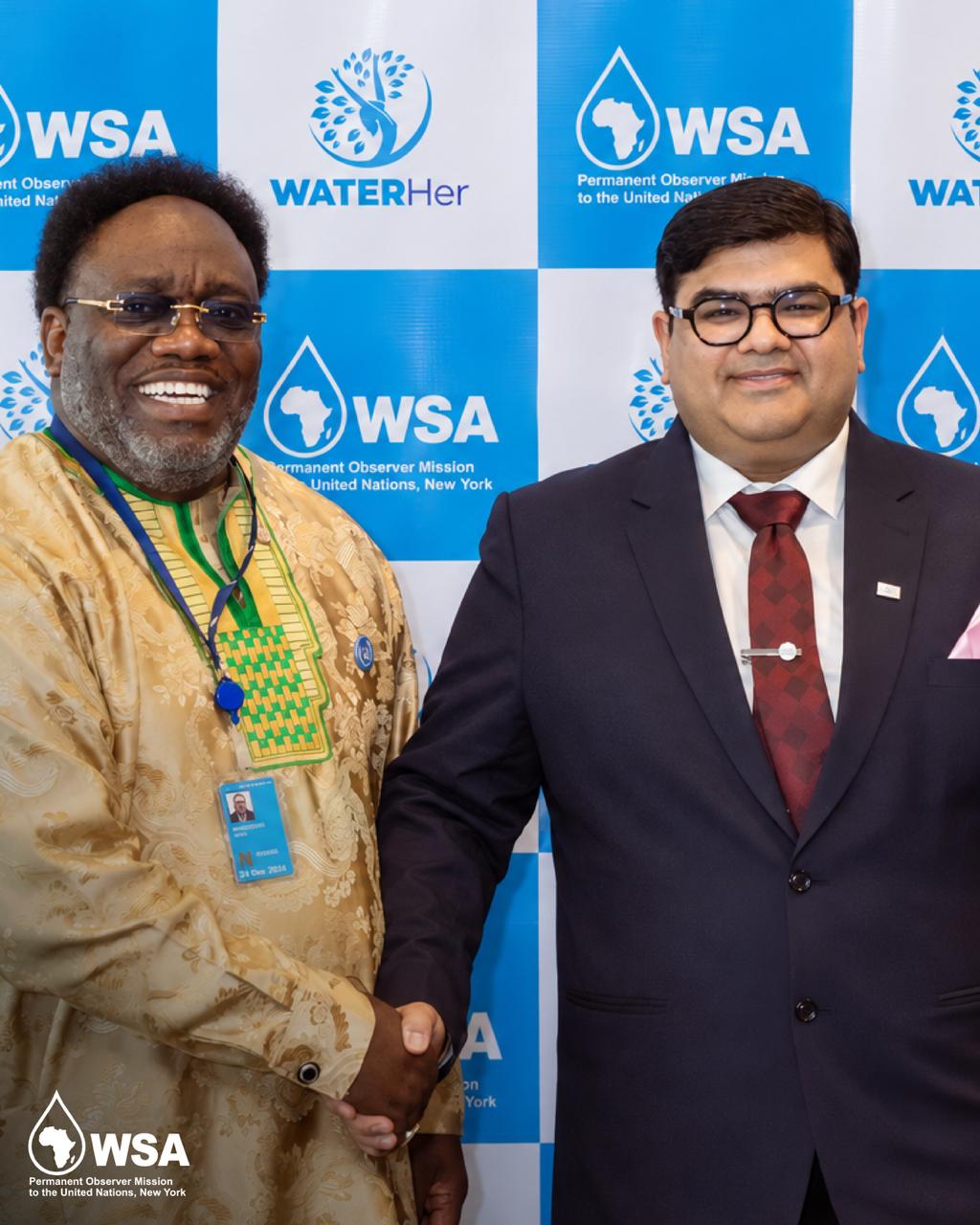
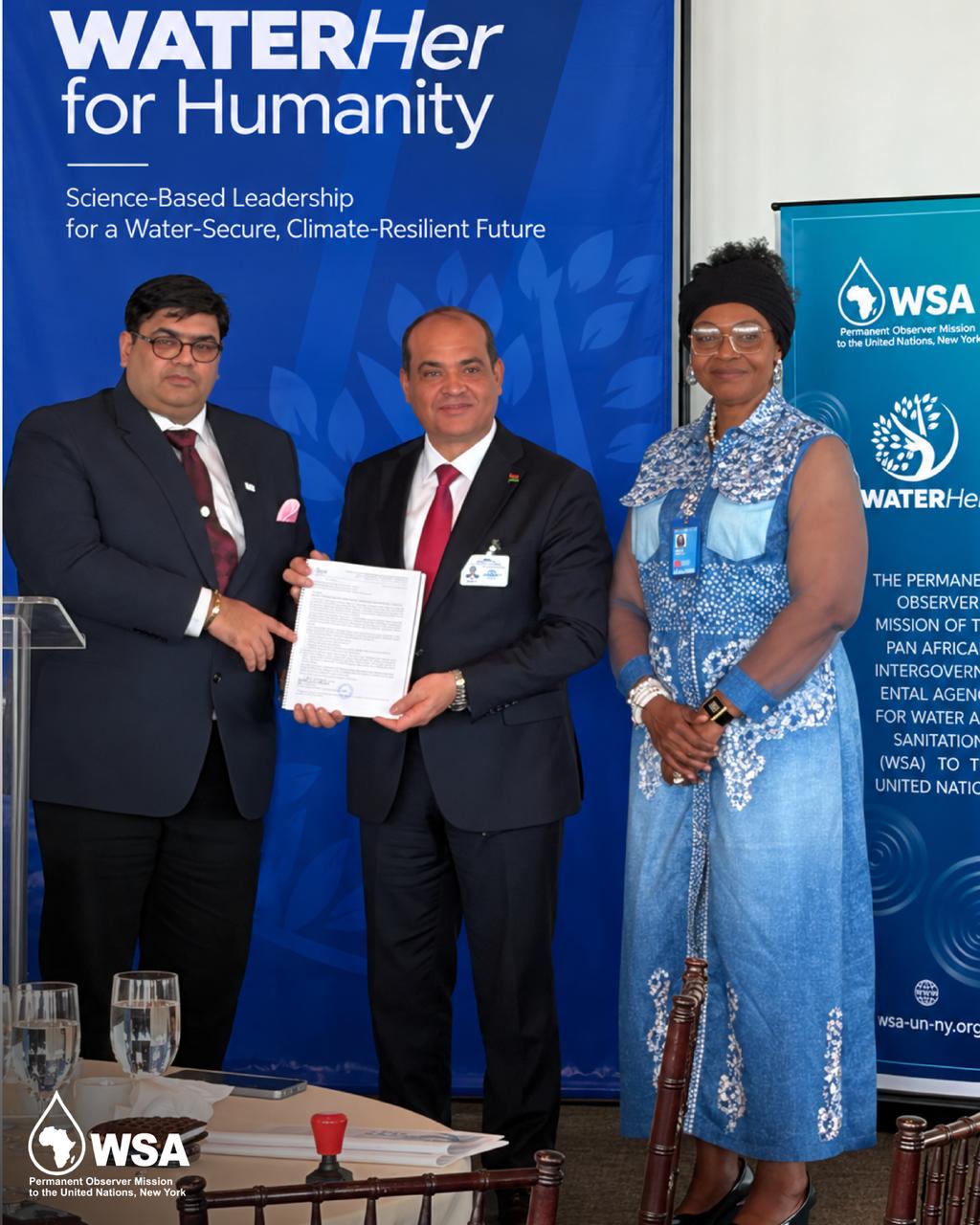
The unveiling of WaterHer marks the formal introduction of a global platform dedicated to advancing equity, sustainability, and empowerment through water. This moment signifies a commitment to:
- Elevating women's leadership in water management
- Expanding access to safe, clean, and sustainable water sources
- Supporting community-driven innovation
- Strengthening climate resilience in vulnerable regions
- Advancing the 2030 Agenda, particularly SDGs 5 and 6
The unveiling ceremony will present the initiative's vision, strategic pillars, and upcoming programs, while inviting Member States and partners to join in collaborative action.
 Click here to download PDF